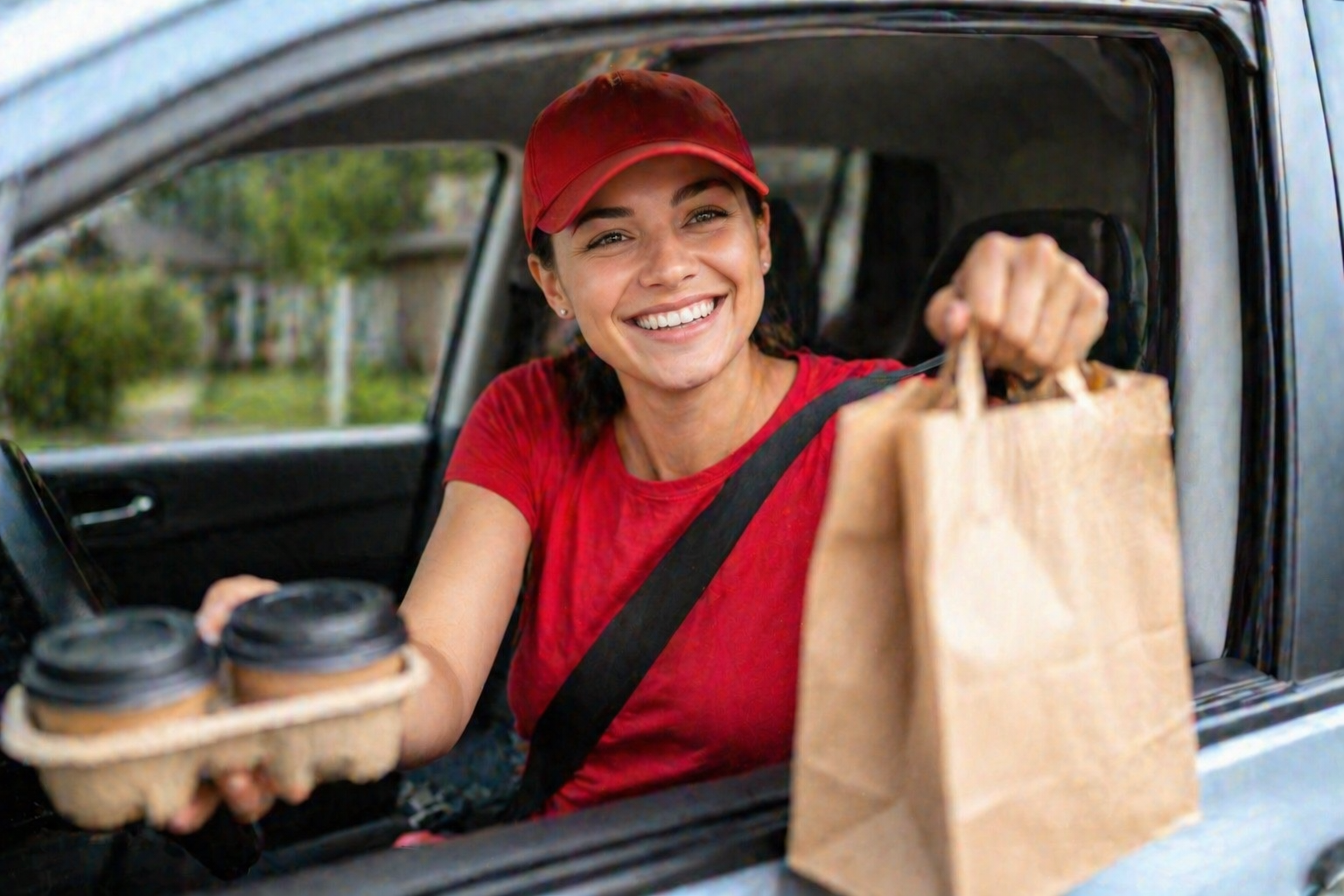
Most people searching for apps like DoorDash end up using the same 2–3 platforms—and leaving money on the table.
Yes, food delivery works. But the real advantage comes when you go beyond the obvious apps and tap into platforms with less competition, higher payouts, or better efficiency.
Apps like DoorDash include Uber Eats, Instacart, Amazon Flex, Spark, and Grubhub—but also lesser-known options like Roadie, Shipt, TaskRabbit, GoShare, and medical courier apps, which can often pay more with less competition.
The Obvious Alternatives (Still Worth Using)
You should absolutely know these—but don’t stop here.
1. Uber Eats
- Pay: $15–$25/hour
- Best for stacking with other apps
2. Grubhub
- Pay: $15–$25/hour
- Strong in certain cities with loyal customers
3. Instacart
- Pay: $20–$30/hour
- Fewer trips, higher payouts
4. Spark Driver
- Pay: $18–$30/hour
- Large orders, strong tipping potential
5. Amazon Flex
- Pay: $18–$30/hour
- Scheduled blocks = predictable income
The Overlooked Apps (Where the Real Opportunity Is)
This is where most people don’t look—and where you can get ahead.
6. Roadie
- Delivers: luggage, retail items, random packages
- Why it’s different: Less competition, unique deliveries
- Pay: Often higher per trip
7. Shipt
- Similar to Instacart but often less saturated
- Strong tipping culture
- Good for consistent grocery runs
8. TaskRabbit
- Not delivery-only—includes:
- Moving help
- Furniture assembly
- Errands
👉 Many tasks pay $25–$60+/hour
9. GoShare
- For larger deliveries (furniture, retail, etc.)
- Requires a truck or larger vehicle
- Higher payouts per job
10. Medical Courier Apps (Highly Underrated)
- Deliver:
- Lab samples
- Medications
- Medical supplies
👉 Why this matters:
- Less competition
- More consistent routes
- Often higher pay
The Strategy That Actually Makes Money
Most people fail because they rely on one app.
That’s the mistake.
The real approach:
1. Stack Apps
Run:
- Uber Eats + DoorDash
- Instacart + Shipt
- Add 1–2 niche apps
Take the best opportunity, not the first one.
2. Use Different Apps for Different Times
- Lunch/dinner → food delivery
- Midday → grocery or package apps
- Weekends → TaskRabbit / GoShare
This keeps your income consistent.
3. Prioritize Payout Per Hour, Not Per Order
Don’t chase:
- Number of deliveries
Focus on:
- Earnings per hour
- Efficiency
What Most People Don’t Realize
The highest earners are not doing:
- The most deliveries
They are doing:
- The right types of deliveries
- At the right times
- Using the right mix of apps
Real Earnings Breakdown
- Casual user: $12–$18/hour
- Single app strategy: $18–$25/hour
- Multi-app optimized: $25–$40/hour
That’s the difference between “extra cash” and real income.
Costs You Need to Account For
This income isn’t pure profit.
You need to track:
- Gas
- Maintenance
- Mileage
- Taxes
According to the Internal Revenue Service, gig workers can deduct mileage and expenses—but only if they track them properly.
When to Use These Apps
Best for:
- Fast income
- Flexible scheduling
- Filling income gaps
Not ideal for:
- Long-term career growth
- Stability without planning
If You Want to Go Beyond Delivery
Delivery is a great starting point—but there are higher-paying paths once you’re ready.
Start here next:
<a href=”/side-hustles-that-actually-make-money-in-2026-and-what-they-really-pay/”>Side Hustles That Actually Make Money in 2026 (And What They Really Pay)</a>
Bottom Line
- Apps like DoorDash are just the starting point
- The real money comes from less obvious platforms + smart strategy
- Stack apps, choose high-value work, and optimize your time
Most people stay average because they use average apps.
You don’t have to.