
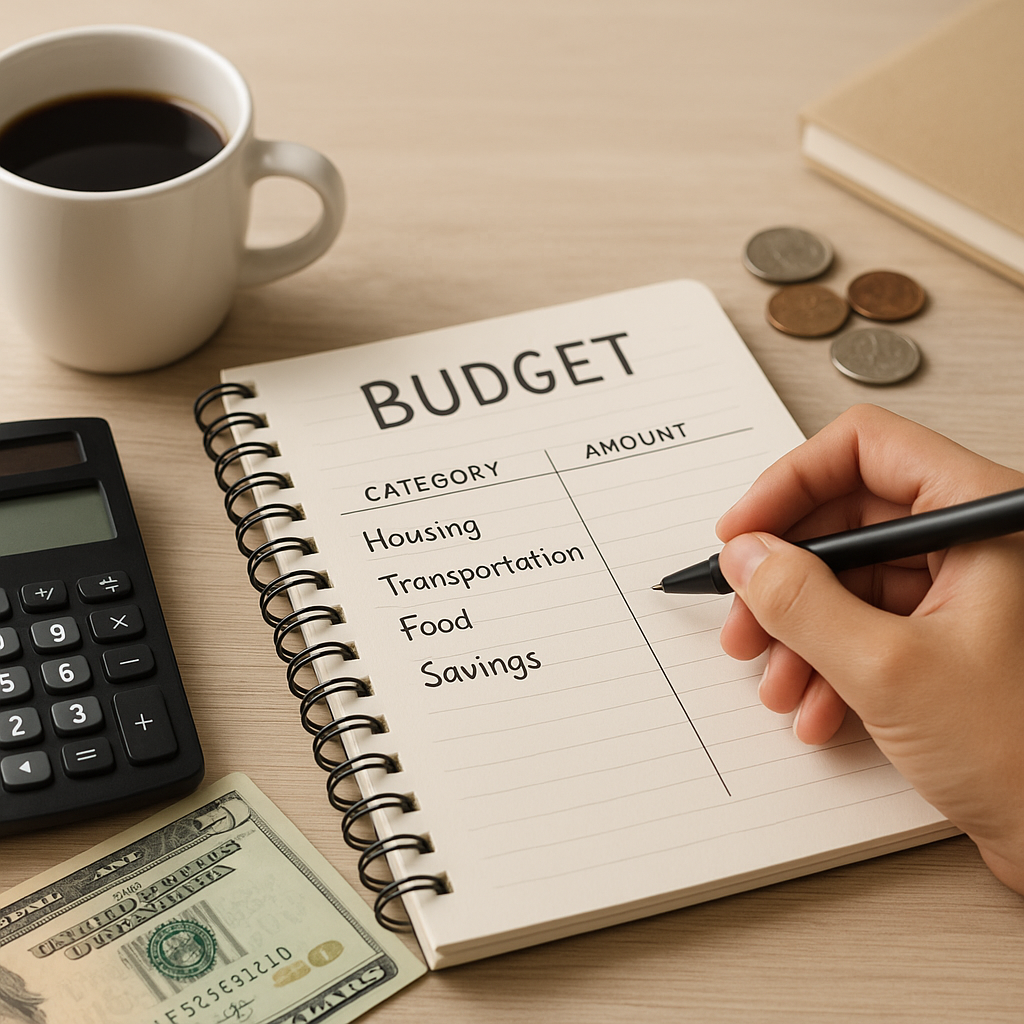
In today’s fast-paced world, gaining control over your finances is more important than ever. One effective way to do this is through an allocated spending plan. This financial strategy empowers individuals to efficiently manage their money by pre-assigning expenses into different categories, thus enhancing financial discipline and fostering savings. Unlike other budgeting methods, the allocated spending plan allows for flexibility while still adhering to a structured approach.
The Basics of an Allocated Spending Plan
An allocated spending plan is a systematic approach to budgeting where your monthly income is divided into specific categories, often before the month begins. This method provides a clear picture of where your money is going, enabling more informed financial decisions. By employing an allocated spending plan, you can minimize impulsive spending and ensure that your essential expenses are always covered.
Why Choose an Allocated Spending Plan?
Adopting an allocated spending plan can bring a sense of control and peace to your financial life. For those who have attempted other budgeting methods without success, this approach might offer the structure needed to stay consistent. By categorizing expenses, such as groceries, utilities, and entertainment, you can quickly identify areas where you might be overspending.
An allocated spending plan, particularly popularized by financial expert Dave Ramsey, emphasizes the importance of planning and dedicating resources ahead of time. By following a Dave Ramsey allocated spending plan, many have found improved financial stability and reduced financial stress.
Steps to Create an Effective Allocated Spending Plan
Creating an allocated spending plan involves several key steps. First, calculate your total monthly income. Once you know how much you’re bringing in, itemize all your monthly expenses and allocate specific amounts to each category.
1. Determine Your Income
Your allocated spending plan starts with calculating your monthly income. Include all income sources such as salaries, freelance work, or side hustles. This gives you a foundation on which to build your budget.
2. List and Categorize Expenses
Successful budgeting requires a comprehensive list of expenses. Categories might include housing, food, utilities, transportation, savings, and entertainment. This helps in providing a tangible view of where your money must go.
3. Assign Budget Amounts
After categorizing, allocate specific amounts to each category. This allocation should reflect your financial goals and help streamline spending decisions. Adjust as needed to ensure all essentials are covered.
4. Track and Adjust
Consistently monitoring your spending is crucial. Keep track of your categories and make adjustments as your financial situation or goals change. This ongoing analysis is pivotal for the success of your allocated spending plan.
How Dave Ramsey’s Allocated Spending Plan Can Help
Financial guru Dave Ramsey advocates for the allocated spending plan, emphasizing a zero-based budgeting method where every dollar is given a purpose. By doing so, it ensures that your monthly spending aligns closely with your financial goals. This not only encourages saving and reduction of debt but also equips individuals with a robust framework to handle financial emergencies.
Breaking Down Common Misconceptions
Some individuals perceive budgeting as restrictive, but an allocated spending plan proves otherwise. By providing a clear financial roadmap, it actually offers more freedom and flexibility. Misconceptions may arise from inadequate initial set-ups or unrealistic allocations, both of which can be mitigated through proper planning and discipline.
Resources for Enhanced Budgeting Skills
For those eager to take control of their financial lives, exploring additional resources can be beneficial. Understanding where your money actually goes each month will further bolster your ability to maintain an allocated spending plan.
Additionally, external resources, such as credible financial studies and guidelines, provide valuable insights. For example, understanding spending habits from the Federal Reserve’s Consumer Credit report can be enlightening.
Conclusion: The Path to Financial Freedom
An allocated spending plan can undoubtedly transform your finances by fostering better spending habits and bolstering savings. By incorporating this structured approach, you are not only paving the way for financial stability but also contributing to personal growth and peace of mind. Whether you are inspired by Dave Ramsey’s methods or your dedication to financial freedom, an allocated spending plan is a powerful tool.
- An allocated spending plan assigns your income into predefined categories.
- Dave Ramsey advocates this method for greater financial control.
- It offers both structure and flexibility in managing finances.
- Continuous tracking and adjustments are key to success.
- Using additional resources enhances your budgeting skills.
What is an allocated spending plan?
An allocated spending plan involves dividing your income into specific expense categories before you spend any money. This helps ensure that all necessary expenses are covered and aligns your spending with your financial goals.
How does the allocated spending plan differ from other budgeting methods?
Unlike other methods, the allocated spending plan specifies amounts for each spending category before the month begins, providing a clearer framework for financial decisions and reducing impulse expenditures.
What makes Dave Ramsey’s approach effective?
Dave Ramsey’s allocated spending plan focuses on assigning every dollar a purpose, which helps individuals manage finances more effectively, encouraging saving, lowering debt, and equipping for emergencies.
Can I adjust my allocated spending plan over time?
Yes, tracking your expenses regularly allows you to make necessary adjustments based on any changes in financial circumstances or goals. Flexibility is a key component of its success.
Where can I learn more about managing my finances?
You can explore resources like government publications. For instance, the Bureau of Labor Statistics offers detailed insights into consumer spending patterns and trends.