Managing personal finances can sometimes feel overwhelming, but adopting the right strategies can help bring clarity and control. The Dave Ramsey Cash Envelope System is a tried-and-tested method for budgeting that encourages physical allocation of cash for different spending categories, making you more mindful of your expenditures. By understanding the principles of this system, you can take significant steps towards financial stability and control.
Understanding the Dave Ramsey Cash Envelope System
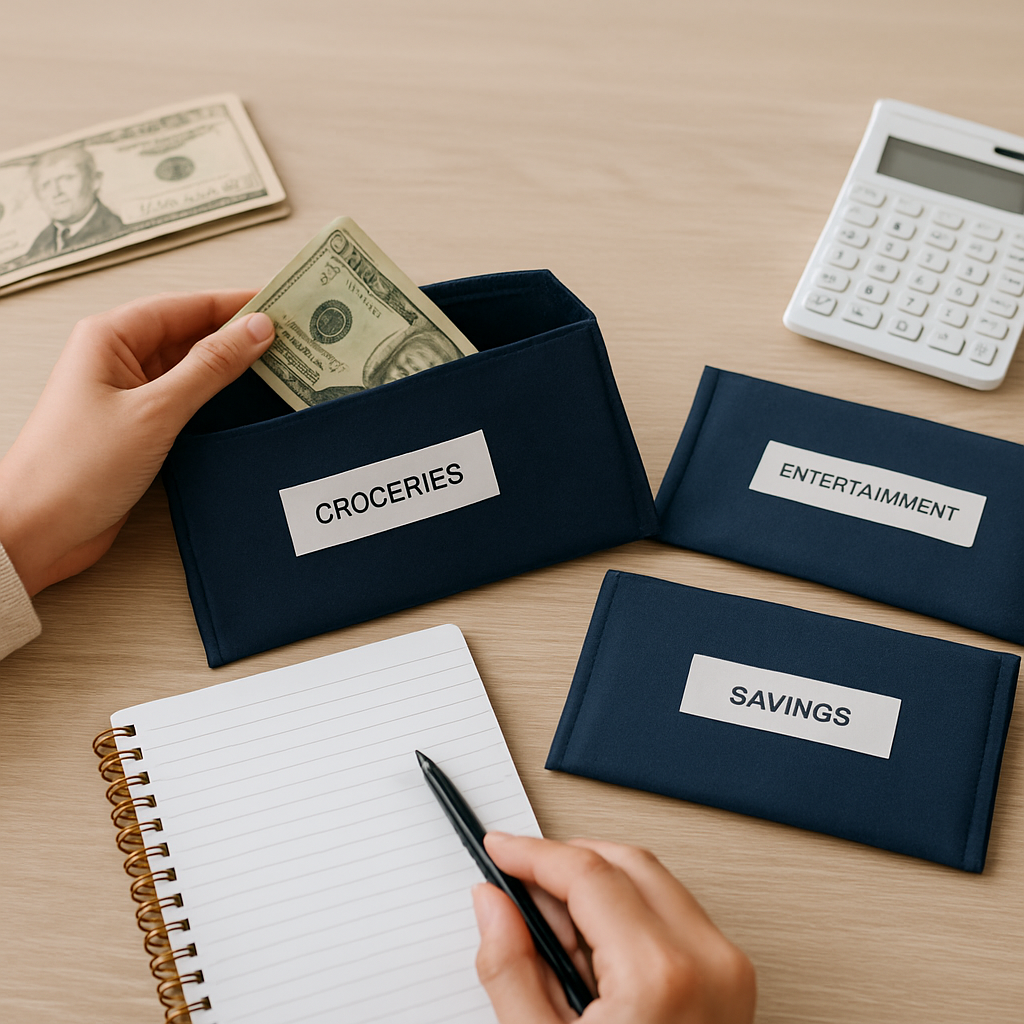
At its core, the Dave Ramsey Cash Envelope System is a budgeting approach that emphasizes tangible spending. Each spending category, such as groceries, entertainment, or transportation, receives a set amount of cash in a specific envelope at the beginning of the budgeting period. Once the cash is gone, you stop spending in that category for the period, effectively forcing you to live within your means.
This system is based on the premise that paying with cash can reduce overspending because it’s more painful to part with physical money than a swipe of a debit card. By using envelopes to track where your money goes, you cultivate better financial habits and become more disciplined in managing your finances.
Setting Up Your Cash Envelopes
To get started with the cash envelope system, first determine your budget by categorizing your expenses into variable and fixed costs. Fixed costs might include rent, utilities, and insurance, while categories like groceries, dining out, and entertainment fall under variable expenses. For each variable expense, prepare an envelope marked with its category name and allocate the budgeted amount of cash for the month.
Tracking your expenses is crucial; regularly check how much cash remains and adjust your spending habits as needed. This real-time feedback ensures you’re not overspending and helps identify areas where you might need to cut back.
Advantages of Using Cash Envelopes
The Dave Ramsey cash envelopes system carries several benefits. Firstly, it firmly sets spending limits, preventing debt accumulation from overspending. Secondly, it encourages accountability; seeing the diminishing cash physically helps keep spending habits in check. Lastly, it offers flexibility. You can adjust the budgeted amounts each month based on your financial goals and priorities.
Another significant advantage is the psychological impact. Handling cash promotes conservative spending, while digital transactions can make money feel more abstract and less “real.”
Implementing the Dave Ramsey Cash Envelope System in a Digital World
With increasing digital transactions, one might wonder about the relevance of a cash-based system. However, adaptations can accommodate modern needs. Some apps mimic the cash envelope experience by visually representing spending categories and limits. These apps uphold the principles of the cash system, even if transactions occur electronically.
While digital adaptations exist, maintaining a portion of your budget as cash envelopes can still offer substantial benefits, particularly for discretionary spending categories. Emphasizing both physical and digital tools ensures you remain adaptable and consistent with your budgeting strategy.
Example Scenarios
Consider Sarah, who uses the Dave Ramsey envelope method for her discretionary spending. By allocating $400 for groceries, $200 for dining out, and $100 for entertainment each month, she gained clear insights into her spending habits. After a few months, Sarah noticed she frequently exhausted her dining out envelope, prompting her to adjust her habits towards more cost-effective dining and cooking.
Such scenarios highlight the transformative impact cash envelopes can have on personal finance management, allowing individuals to tailor spending strategies to suit changing lifestyle and financial demands.
Final Thoughts on the Dave Ramsey Cash Envelope System
Financial stability is not merely about avoiding debt, but also about fostering disciplined spending habits. The Dave Ramsey Cash Envelope System offers a robust framework for managing your money more effectively, allowing you to maintain control over your financial future. Whether adapted completely, partially, or digitally, the principles of the system encourage mindful spending and personalized financial planning.
Proactively managing your budget using this system can lead to more thoughtful financial decisions, helping you achieve your financial goals over time. As you become more familiar with the method, you might find that your relationship with money grows healthier and more intentional.
- The Dave Ramsey Cash Envelope System promotes spending within your means.
- It uses physical cash to reduce the likelihood of overspending.
- The system encourages accountability and tracking of expenses.
- Adaptations exist for those transitioning to digital transactions.
- Continue to refine your budget and adjust envelope allocations as needed.
FAQ
What is the primary goal of the Dave Ramsey Cash Envelope System?
The primary goal is to prevent overspending by using physical cash for different categories of discretionary spending, encouraging discipline and mindfulness in your financial habits.
How do I decide how much to put in each envelope?
Start by assessing your monthly income and expenses to determine how much you can allocate to each category. Adjust over time based on spending patterns and financial goals.
Can I use the Dave Ramsey system if I mostly shop online?
Yes, many digital apps replicate the cash envelope system, allowing you to visually track spending without relying on physical cash, thereby accommodating online transactions.
Do I need to use the cash envelope system for all expenses?
It’s typically used for variable expenses, as fixed costs are often paid digitally or automatically. Focus on categories where you tend to overspend, like dining out or entertainment.
How can I track my progress with this budgeting system?
Regularly review remaining cash in each envelope before the end of the month; adjust budget allocations based on underspending or overspending to refine and improve your budget practices.