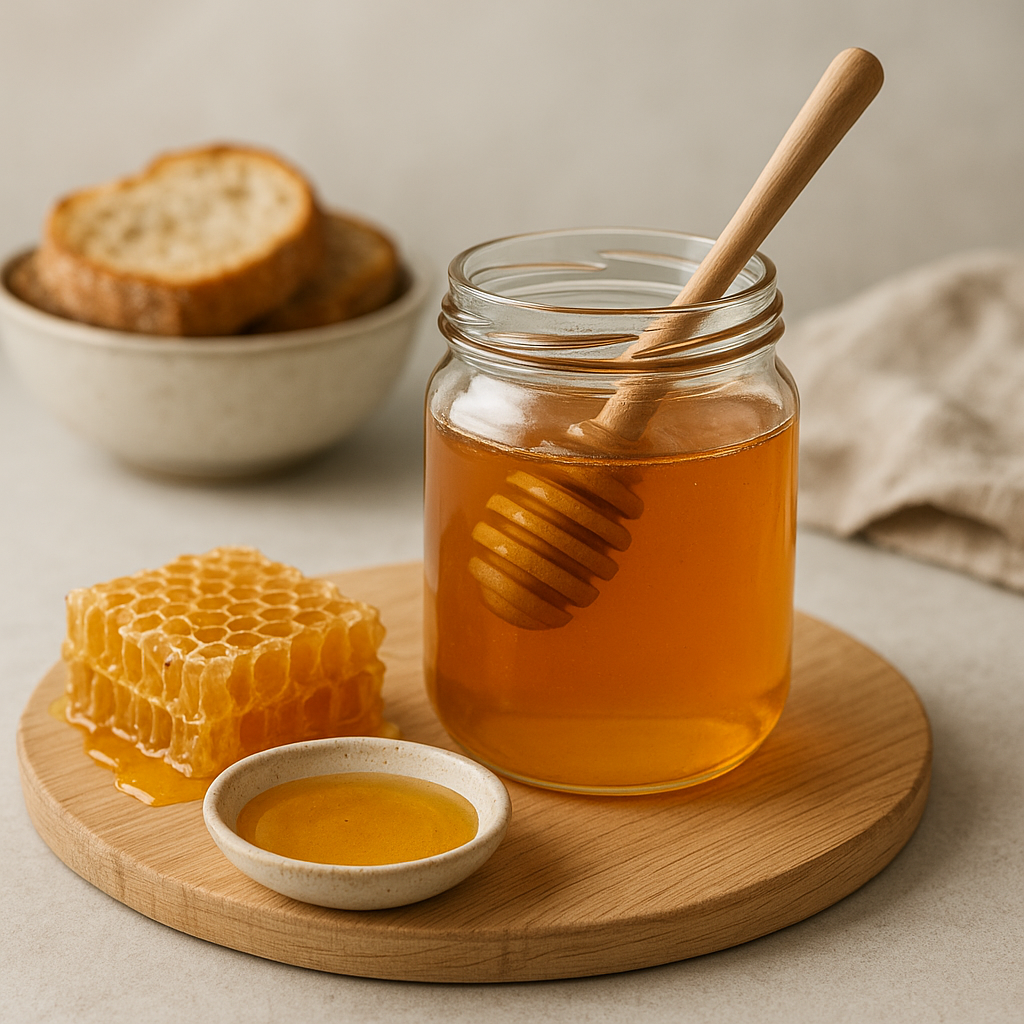
In the world of modern living, where everything seems to have a price tag attached, understanding costs can help you manage your finances more effectively. This article aims to make a detailed honey price comparison to explore whether honey, a staple in many kitchens, deserves its spot on your grocery list based on its affordability and value.
Honey Price Comparison: A Closer Look
The price of honey can vary greatly depending on a number of factors such as region, brand, type, and production method. Whether you purchase it from a local farmer’s market or a supermarket, prices can range from quite affordable to surprisingly high. This discrepancy often leaves consumers wondering if the more expensive honey is truly worth the additional cost.
For the sake of honey price comparison, it’s essential to consider the differences between raw, organic, locally produced, and mass-produced honey. Raw and organic honeys are typically more expensive due to their purity and the absence of additives. On the other hand, mass-produced honey generally comes at a lower price point but might contain additives like corn syrup, which dilute its purity.
Factors Influencing Honey Costs
Several factors can impact the cost of honey. These include:
- Production and Labor Costs: High-quality honey requires expert care in both production and extraction, which adds to the labor costs.
- Location: Honey sourced from regions known for their ecological diversity or lack of pollution commands a premium price.
- Type of Honey: Certain varieties such as Manuka or Sidr are more sought after due to their health benefits, influencing their price.
- Packaging and Branding: Honeys in gourmet packaging or backing from reputable brands usually carry higher prices.
As you can see, choosing the right type of honey based on your needs and budget entails more than just looking at the price tag. Another consideration is whether the nutritional and health benefits of more expensive honeys justify the cost.
Comparative Reviews and Consumer Reports
Reviews from different consumer reports often highlight that while the taste and consistency may differ, many consumers find little justification in paying higher prices if they consume honey simply as a sweetener. People who are invested in the health benefits tend to opt for raw or organic variants despite their premium cost.
Consumer sentiment also indicates that buying in bulk or directly sourcing from local beekeepers can save money while ensuring better quality. For a deeper understanding of the dynamics of everyday expenses, check out our article on everyday financial expenses.
Is Honey Worth the Price?
The ultimate question is whether honey is worth its price, and this largely depends on your priorities. If you’re solely looking for a sweetener, cheaper options may suffice. However, if you’re focused on health benefits and supporting sustainable practices, investing in a quality product might be worth the extra dollars.
Read more about honey’s history and benefits for a broader perspective on the subject.
Conclusion
In conclusion, honey price comparison reveals a spectrum of options tailored to different needs and budgets. Whether you’re guided by taste, health benefits, or cost-effectiveness, there is no one-size-fits-all answer. Ultimately, the decision boils down to individual preferences and how much value you place on quality and ethics.
- Honey prices vary due to factors like production method and type.
- Raw and organic honeys often cost more but offer added benefits.
- Consumer reviews suggest buying in bulk or locally for better deals.
- Your choice should align with your health/ethical preferences and budget.
FAQ
What factors most affect the price of honey?
Key factors include production costs, type of honey, packaging, and regional origin.
Is organic honey always more beneficial than regular honey?
Organic honey is generally free from additives and pesticides, which can make it more beneficial, though not always necessary depending on your goals.
Does buying local honey offer any specific benefits?
Buying local honey supports local economies and usually offers fresher and often purer products.
Are expensive honeys like Manuka worth the price?
Many advocate for the health benefits of Manuka honey, which might justify its cost if those benefits align with your needs.
Can I trust all labels on honey products?
Not all labels are regulated equally, so it’s wise to research and choose reputable brands known for accurate labeling.