Starting your credit journey can be a daunting task. If you’re asking “what is a good beginner credit card,” you’re not alone. Many individuals, especially those new to credit, are seeking cards that offer manageable terms and help build a positive credit history.
What is a Good Beginner Credit Card?
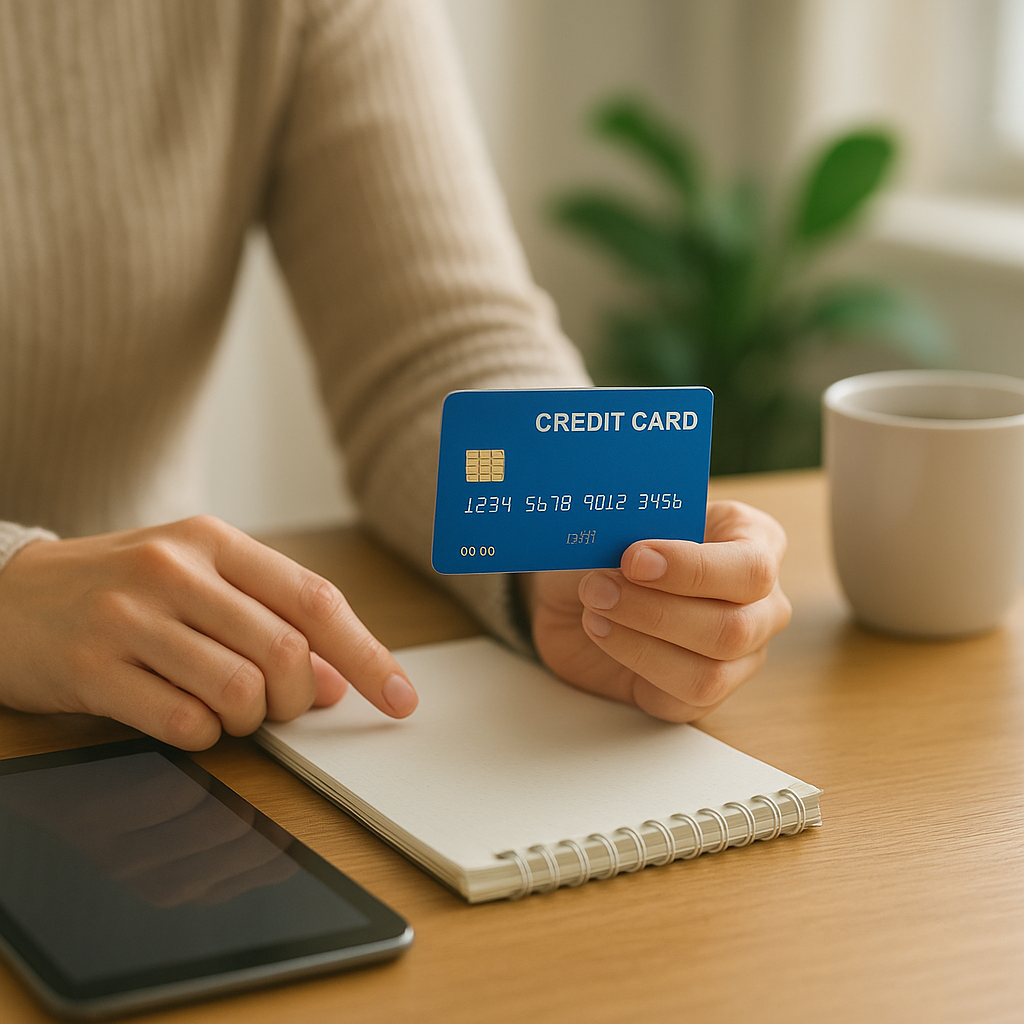
For those new to credit, a good beginner credit card is one that typically offers a low annual fee, a reasonable interest rate, and manageable credit limits. These cards may not provide extravagant rewards but focus on helping users establish a credit history. They might include features like no annual fees or cash-back incentives on everyday purchases. But most importantly, they provide the tools and resources new cardholders need to navigate their financial future responsibly.
Features to Look for in a Beginner Credit Card
When selecting your first credit card, consider cards that offer the following:
- Low or no annual fees: It’s crucial to minimize costs while building your credit foundation.
- Introductory offers: Some cards provide a 0% introductory APR for the first few months.
- Cash-back options: Earning cash-back on everyday purchases can ease the initial financial burden.
- Credit-building resources: Access to online credit score trackers and financial education programs.
By prioritizing these features, you can better manage your finances and facilitate a positive credit-building experience.
Popular Beginner Credit Cards
There are several credit cards often recommended for beginners. These include options from major providers known for their financial support tools for new users. Be sure to review terms and conditions and choose a card aligned with your personal goals and spending habits.
Using a Beginner Credit Card Wisely
Once you’ve secured a credit card that meets your needs, the next step is managing it wisely:
- Pay on time: Consistently making payments by the due date is crucial for maintaining a healthy credit score.
- Keep balances low: Aim to use less than 30% of your credit limit to demonstrate responsible usage.
- Monitor spending: Regularly check your transactions to stay within budget and catch any anomalies quickly.
Smart usage can increase your credit score over time, making you eligible for better cards in the future.
The Importance of Building Credit Early
Establishing credit at an early age acts as a foundation for your financial future. It impacts many areas of life, from leasing an apartment to securing loans with favorable rates. Initially, a beginner credit card serves as both a tool and a test, teaching financial discipline. If you’re interested in learning about more aspects of financial health, check out our article on what it really costs to start a small business.
Further Research and Resources
Beginner credit card options can be explored further through various online resources. Websites like the Wikipedia page on credit ratings provide fundamental knowledge on how credit ratings work and the influence of credit cards on financial health.
Conclusion
Making smart credit decisions early on is essential for a sound financial future. By understanding what is a good beginner credit card, you can confidently choose one that suits your financial circumstances. Consider all features, fees, and terms, and remember, building credit is a marathon, not a sprint.
- Beginner credit cards help establish a healthy credit history.
- Look for low fees, potential cash-back, and introductory offers.
- Payment timeliness and low utilization support credit growth.
- Resources and research can further your understanding.
Frequently Asked Questions
What is the primary purpose of a beginner credit card?
The primary purpose of a beginner credit card is to help individuals establish a credit history, practice financial discipline, and learn to manage credit responsibly.
How can I maximize the benefits of a beginner credit card?
Maximize the benefits by paying on time, keeping your balance low, and taking advantage of any educational tools or resources offered by the card issuer.
Are there any risks associated with beginner credit cards?
The main risks include accumulating debt through mismanagement, incurring high-interest fees if balances are not paid in full, and potentially damaging your credit score if payments are missed.
What should I do if I’m denied a credit card?
If denied, consider applying for a secured credit card, which requires a deposit but works similarly to a standard card, or review your credit report for errors.
How long does it take to build a good credit score with a beginner credit card?
Building a good credit score is a gradual process and can take anywhere from six months to a few years, depending on responsible usage and overall financial behavior.